German Academic Fencing entered the chat.Whilst sword fighting (for example) does normally use most of the body (you are not standing square on trading blows like the automata on a clock tower banging on the bell),

You are using an out of date browser. It may not display this or other websites correctly.
You should upgrade or use an alternative browser.
You should upgrade or use an alternative browser.
Combat Arm from CSC
- Thread starter shammond42
- Start date

Anstett
Emperor Mongoose
Recalling the Vorkosigan Saga, you actually could replace one, or two, legs with an artificial arm.
Which should increase your climbing rate.
Which is why I shy away from the augmentations. There is a tricky balance of why not four arms rather than 2 arms 2 legs? Why not just 4 arms and 2 legs?
Like so many things in Charted Space (robot crews, drones everywhere) that don't happen on a regular basis the underlying question of why?
My answer to my players is:
(From Matt)..."and that the focus of the game is very firmly fixed upon people. One path may be more 'realistic', but if it fundamentally changes Traveller, that is a backwards step.
From BOB We are not trying to run a simulation; we are playing a game. We make choices to abstract things to make it fun for everyone.
Traveller is about an idea of the future. It is as much science fiction as it is science fact."
My posted thoughts assumed the combat arm included a solid anchor at the shoulder, and the elbow and wrist were purely mechanical. Melee strikes using elbow and wrist movement should be enhanced enough for the extra strength to take effect. At the end of the day, it's just a couple more points to hit and to damage, not cleaving stone asunder.
Melee skill level often has more effect than the STR DM does, even with cyber arms (unless it's a poser with a metal arm and no training). One assumes that a skilled fighter who has a metal arm has trained to use its abilities as part of their form.
Melee skill level often has more effect than the STR DM does, even with cyber arms (unless it's a poser with a metal arm and no training). One assumes that a skilled fighter who has a metal arm has trained to use its abilities as part of their form.

Condottiere
Emperor Mongoose


CordwainerFish
Emperor Mongoose
why not four arms rather than 2 arms 2 legs?
?Ah yes. Those 16th century bionics...
You weren't talking about the 16th-17th century fencing master George Silver?
George Silver - Wikipedia
Condottiere
Emperor Mongoose
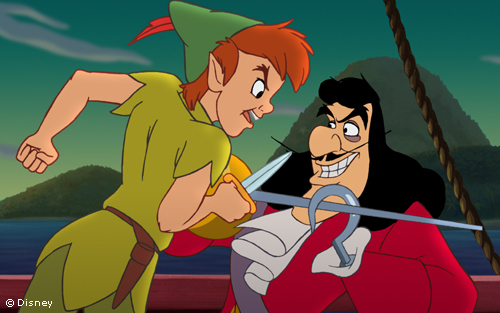
There's Long John, and Captain Hook.
Yes with respect to the dynamics of sword use, not bionics. The 17th century fencing masters had a lot to say about the former and I tend to trust their opinions since it was their job. Silver was suspicious for example of the new Italian style of tip cuts (and the "rapier" in general) as he believed that "downright blows" were more effective in stopping the fight. Such blows require more than just the movement of elbow and wrist.You weren't talking about the 16th-17th century fencing master George Silver?
George Silver - Wikipedia
en.wikipedia.org
George Silver is not beyond criticism of course, whilst Italian style duels may have more frequently ended up with both parties killed, at least some of his criticism may have been about protecting his income and that of other English fencing masters. There is also some common 17th century xenophobia, but people with an arm cut off tend to stop fighting whereas people stabbed multiple times often do not.
I am not sure there are any reliable sources about weapon use with bionics. Given that, I would rely on the name of the item. Combat Arm says to me that it is an arm designed for combat and you should get the effective STR DM in a combat check if it is related to something carried or mounted in the arm (or an unarmed attack using it).
I would also allow a Combat Leg. It wouldn't provide the shield benefit (unless you maybe had a martial art like Capoeira) it could provide the STR DM when kicking.
Condottiere
Emperor Mongoose
1. Bladerunner.
2. Breakdancing.
Condottiere
Emperor Mongoose
That's why I mentioned bladerunner.
It's quite possible it's a movement enhancer, due to minus lower leg weight, plus steel springs.

It's quite possible it's a movement enhancer, due to minus lower leg weight, plus steel springs.

Also:
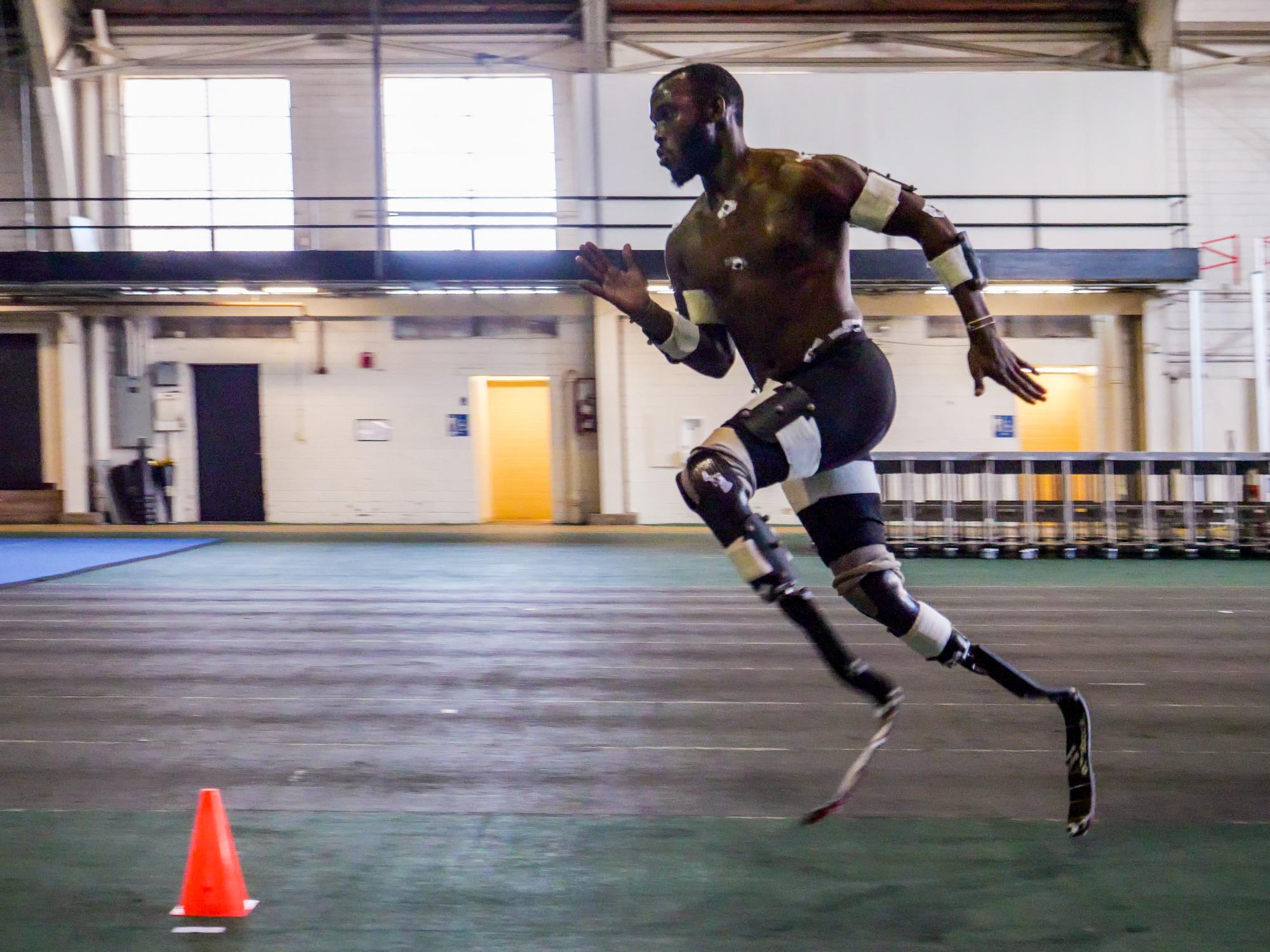
 www.colorado.edu
World’s fastest blade runner gets no competitive advantage from prostheses, study shows
A new, long-awaited study shows amputee sprinters using running prostheses, or blades, have no clear competitive advantage at the 400-meter distance compared to
www.colorado.edu
Condottiere
Emperor Mongoose
Question would be, how the testing was carried out.
Sort of hard to get a four hundred metre sprinter, to have his legs amputated, attach prosthetics after recovery, and see if there was a difference in performance.
Sort of hard to get a four hundred metre sprinter, to have his legs amputated, attach prosthetics after recovery, and see if there was a difference in performance.

MonsterX
Emperor Mongoose
Maybe if someone put the question to them? Top level athletes will do literally anything to win a medal. It's why they are top-level athletes.Question would be, how the testing was carried out.
Sort of hard to get a four hundred metre sprinter, to have his legs amputated, attach prosthetics after recovery, and see if there was a difference in performance.
Well the PDF of the study is right there at the link, so you can review it yourself. That's the benefit of scientific studies, they tell you how they did it so if you think there was an unidentified bias you can refine the experiment to remove it. It is the strength of the scientific method, we are open to reinterpreting results in light of new evidence or theories.Question would be, how the testing was carried out.
Sort of hard to get a four hundred metre sprinter, to have his legs amputated, attach prosthetics after recovery, and see if there was a difference in performance.
They compared athletics results, adjusted for standard deviations between athletes and then assessed if the amputee athlete(s) fell outside those norms. If the performance fell within the norms then there was no statistically significant difference.
If they had used your tongue in cheek method they would have a sample of one and no statistical significance at all could be inferred.
Science for the win!!!
Last edited:
