Jarac Rassen
Banded Mongoose
Only reason why I've held off on acquiring the VHB, is because the new edition was coming down the pipeline. I'm eager to see it.

Because it is getting a rewrite doesn’t mean it was defective. It’s normal rules evolution over the last 9 years. Rather than scrapping everything and starting over with a new version of the game (cough cough White Wolf), Mongoose is keeping within the same edition and refining the rules.This isn’t added material and a bit of errata it’s a complete rewrite if the original was so solid a rewrite wouldn’t have been needed and vehicle made with the new version of the rules wouldn’t be completely different in many aspect including tonnage while having all the same systems. I can make a ship with the 2022 HG that identical in every way to the original version of HG but a vehicle built with the old VH is going to be completely different from the same vehicle made with the new VH. I can understand you can’t afford to give us the PDF but I still say you should do something (maybe one of your little 20pg books) for those of us with the original version. As for being able to use the original only if you avoid certain things like fusion power plant.
For hot air ballon racing:
Once airborne, balloons generally move smoothly with the wind, but wind layers aloft can be much faster than surface winds. For instance, as the LTA aircraft soars to 500-2,000 feet above ground level, winds can often reach 15 to 25 knots (17.3 to 28.8 mph)—this expected increase in speed is considered normal and manageable.
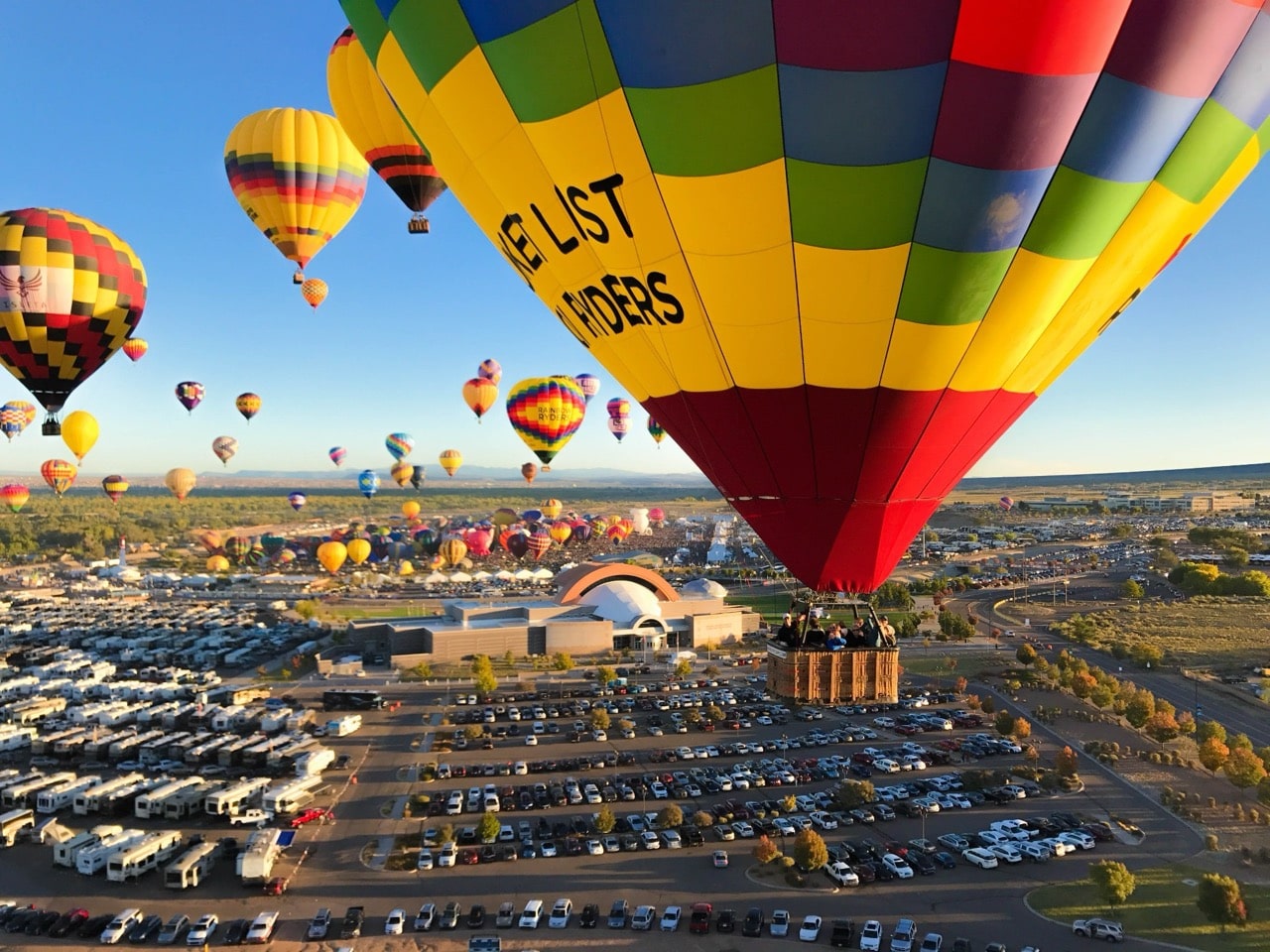
Hot Air Balloon Wind Speed Limits Explained
Discover how wind speed impacts hot air balloon flights, safety limits, and ideal conditions for a smooth, enjoyable ride every time.rainbowryders.com

I have always viewed this as an in-universe thing as well as being rules based. For example, look at the floating cargo holds of the Type-S over the years. I would happily use any of those in Charted Space because the Type-S is going to be built in so many different ways.Different abstractions can produce different tonnage or numbers and still be perfectly playable, as long as each set is internally consistent.

Any given model of Ford Focus (of which there are many) changed every three years on average. Furthermore, even in a given year, the Focuses that were built in Vsevolozhsk were very different from those assembled in Wayne, Michigan, and end users were able to order very different versions of the exact same model with different options for windows, trim, aircon, seat covering etc etc. If you got such variance with a single model of car built in the same short span of years on a single planet with a fairly uniform supply chain, @MongooseMatt is surely right: just imagine what the variance would be between models built 200 parsecs and a thousand years apart!Every Ford Focus of a particular model is identical to every other, they are mass produced that way.
The Imperium insists on worlds building to Imperial standards, and the scout ship goes beyond that in having a "standard hull" naval architect plan which has been used for over a thousand years.
That doesn't mean there are other jump 2 scout ships built using different plans, nor does it mean every ship will be the same one interior walls are moved around, various hull adornments are added and the like.
I would welcome some customisation options.

Ugh how I hate the “aha gotcha the rules say this would be 100.75 tons I will now rebuild it with the same cookie cutter choices I use for every other ship” posts.And RAW already supports this kind of flexibility: deck plans are explicitly allowed a 10–15% variance, which easily absorbs most of the “but the book says X tons” discrepancies people get worked up about. The design sequences are abstractions for play, not sacred geometry.

That is a pain.Ugh how I hate the “aha gotcha the rules say this would be 100.75 tons I will now rebuild it with the same cookie cutter choices I use for every other ship” posts.

A great idea. Plenty of scope for a variety of adventures -- trade, politics, exchange, contraband between Protectorate members; between the Protectorate and the Imperium or the Extents; the relationship between the Star Legion and the various "we're legitimate squadro--okay, we're corsairs" forces; the interplay between the shared Julian identity and the individual distinct members; opportunity to really explore the Vargr; the Hhkar for some alien colour; Menderes for the corporate stuff, etc. It could be a rich sandbox.Is there any chance that there is an "empire book" being discussed for the Julian Protectorate? That would not only partially cover the Vargr (and the book could cover them outside the protectorate, too), but it is a group that beat the Imperium in the past. It seems like a cool area to adventure in, but there isn't any Mongoose coverage for it.


OoohJulian Protectorate is a great area, but it's not a priority right now. You'll see a Zhodani Consulate book soon with at least one sector (possibly Zhdant), and we'd like to give the Vargr the same treatment Randy Dorman has given the Aslan. Namely, a setting book with 1-2 sectors (Gvurrdon and Tuglikki might be good since they directly abut the Domain of Deneb), a book that describes the tumultuous Vargr polities (toying with ideas that defeat the concept of fixed borders), and a campaign. The Vargr are one of—if not the—most popular species to play, and they deserve their day.
After that, next up would be the K'kree probably. I'd like to see Numbis sector detailed since it offers the chance to interact with humans and Hivers (and various minor races), and maybe... Gzirr!k'l? Ruupin would be an option, too, if we don't insist that the two sectors border each other.
That all sounds good. Thanks.Julian Protectorate is a great area, but it's not a priority right now. You'll see a Zhodani Consulate book soon with at least one sector (possibly Zhdant), and we'd like to give the Vargr the same treatment Randy Dorman has given the Aslan. Namely, a setting book with 1-2 sectors (Gvurrdon and Tuglikki might be good since they directly abut the Domain of Deneb), a book that describes the tumultuous Vargr polities (toying with ideas that defeat the concept of fixed borders), and a campaign. The Vargr are one of—if not the—most popular species to play, and they deserve their day.
After that, next up would be the K'kree probably. I'd like to see Numbis sector detailed since it offers the chance to interact with humans and Hivers (and various minor races), and maybe... Gzirr!k'l? Ruupin would be an option, too, if we don't insist that the two sectors border each other.
If you do a Vargr campaign can you please get an author that understands the Vargr are not dogs, and that referring to them as such is as racist as calling... well you know the rest.Julian Protectorate is a great area, but it's not a priority right now. You'll see a Zhodani Consulate book soon with at least one sector (possibly Zhdant), and we'd like to give the Vargr the same treatment Randy Dorman has given the Aslan. Namely, a setting book with 1-2 sectors (Gvurrdon and Tuglikki might be good since they directly abut the Domain of Deneb), a book that describes the tumultuous Vargr polities (toying with ideas that defeat the concept of fixed borders), and a campaign. The Vargr are one of—if not the—most popular species to play, and they deserve their day.
After that, next up would be the K'kree probably. I'd like to see Numbis sector detailed since it offers the chance to interact with humans and Hivers (and various minor races), and maybe... Gzirr!k'l? Ruupin would be an option, too, if we don't insist that the two sectors border each other.


